
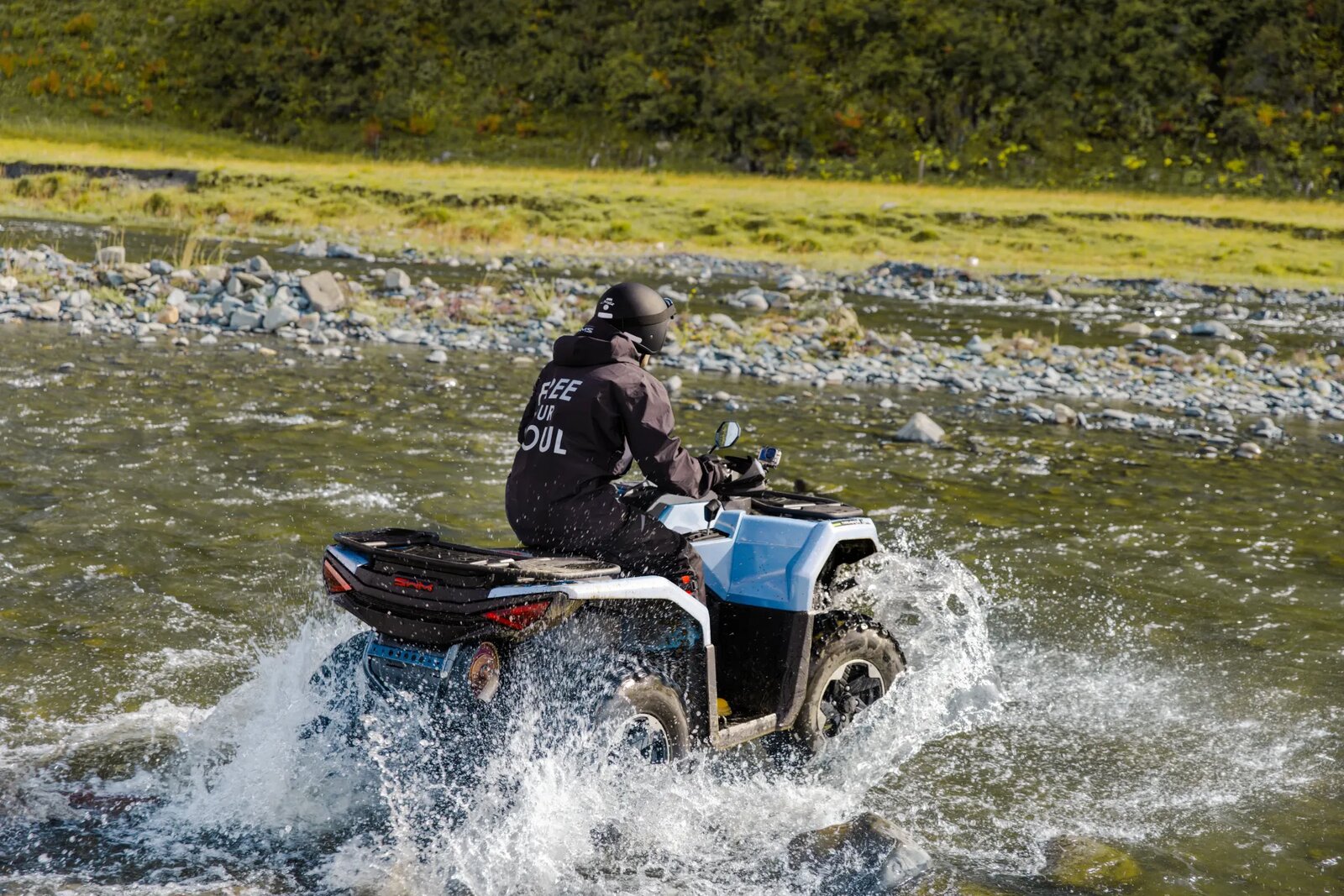
 Trail & Forest
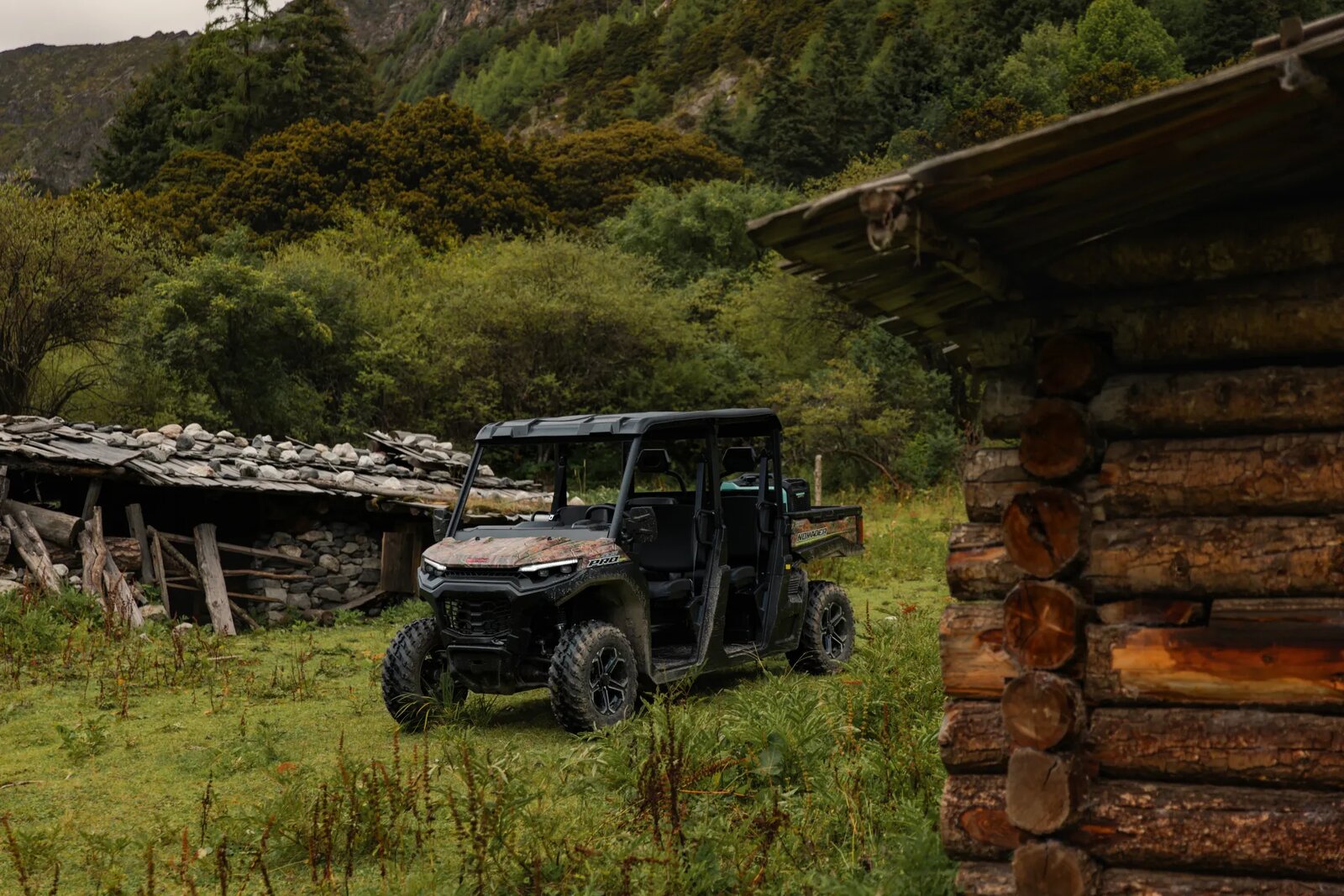
Scan well ahead for roots, ruts and blind crests. Keep momentum smooth and feet on the boards.
Ride prepared
Gear up the right way, then find the machine that gets you there.
Safety & Training
Capability starts with control. Train up, gear up and read the terrain — so you can explore further with confidence, season after season.
Six Rules
Helmet, eye protection, gloves, over-the-ankle boots and long sleeves on every ride — no exceptions.
Take a certified hands-on rider course before you hit the trail. Skills beat horsepower.
Match machine displacement and seating to the operator’s age and experience. Never carry more than rated.
Scout ahead for water, ice, drop-offs and soft ground. Use terrain modes and low range deliberately.
On Side-by-Sides, seatbelts and doors/nets stay closed. Keep all limbs inside the cage.
Stay on designated trails, pack out what you bring and ride sober. Tread lightly, ride longer.
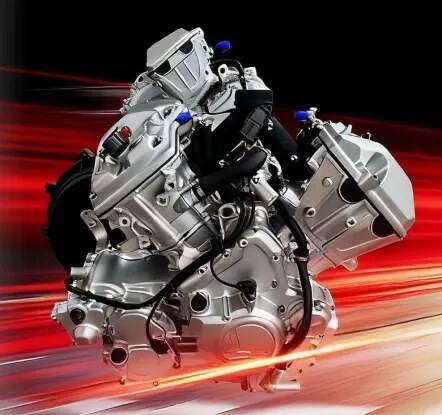
The Gear
The right kit turns a spill into a scare instead of a hospital trip. Wear it every ride, in every season.
Read the Terrain
Every surface has its own rules. Match your tire pressure, range and speed to the ground beneath you.
Trail & ForestScan well ahead for roots, ruts and blind crests. Keep momentum smooth and feet on the boards.
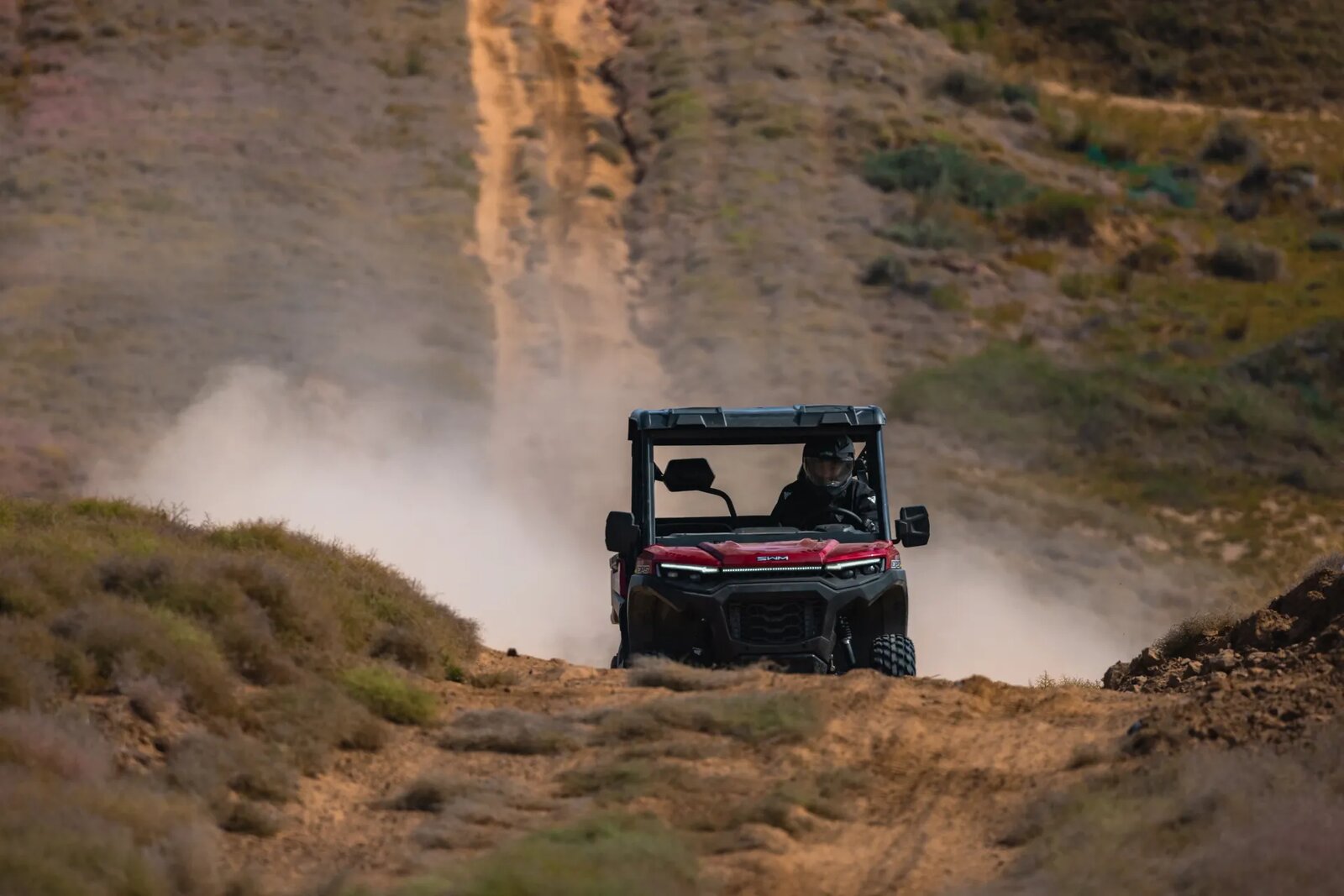 Sand & Dunes
Lower tire pressure for float, attack slopes straight on, and fit a safety flag in open dunes.
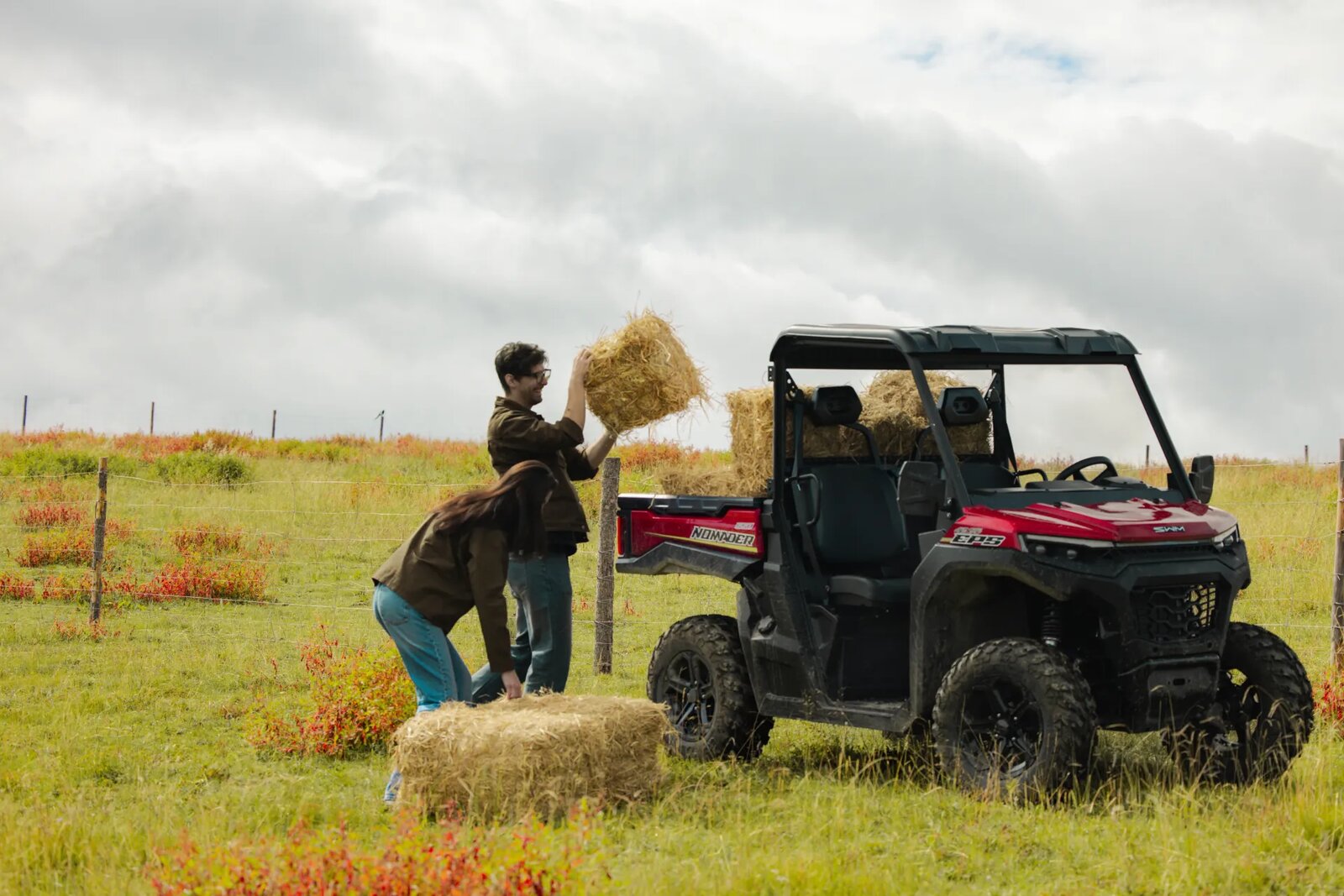 Mud & Water
Know your wading depth before you commit. Walk unknown crossings and carry recovery gear.
 Snow & Ice
Warm the engine, dress in layers, never ride alone on ice, and tell someone your route and return time.
Know Your Province
Most provinces require off-road vehicles to be registered, and some issue trail plates. Renew before every season.
Liability insurance and a minimum operator age are common requirements. Young riders often need adult supervision or a course.
Provincial associations manage groomed trail networks and sell seasonal permits that fund maintenance and access.
This is a general overview, not legal advice. Always confirm the current regulations for your province or territory before you ride.
Good to Know
Requirements vary by province and territory — many require registration, insurance and a minimum operator age, and some require a course or permit for public-land or road-allowance use. Check your provincial regulations and your local SWM dealer for specifics.
Provincial ATV/ORV associations and national bodies such as the Canada Safety Council offer hands-on courses. Your SWM dealer can point you to the nearest accredited program.
SWM Canada’s launch lineup (580 and 720) consists of adult-sized machines intended for experienced operators. Always follow the age and rider recommendations in the owner’s manual and on the machine’s warning labels.
Warm the engine, lower tire pressure for traction where appropriate, dress in layers, carry recovery gear and never ride alone on ice. Review your model’s wading depth and cold-start guidance before heading out.
Compliance Note
SWM off-road vehicles are built for off-highway use. Registration, insurance, operator-age and safety-equipment requirements vary by province and territory. Always ride in accordance with Transport Canada and local regulations.
Your SWM dealer can connect you with certified training and the right machine for your level.